



What Is an Outsourced Technical Support System
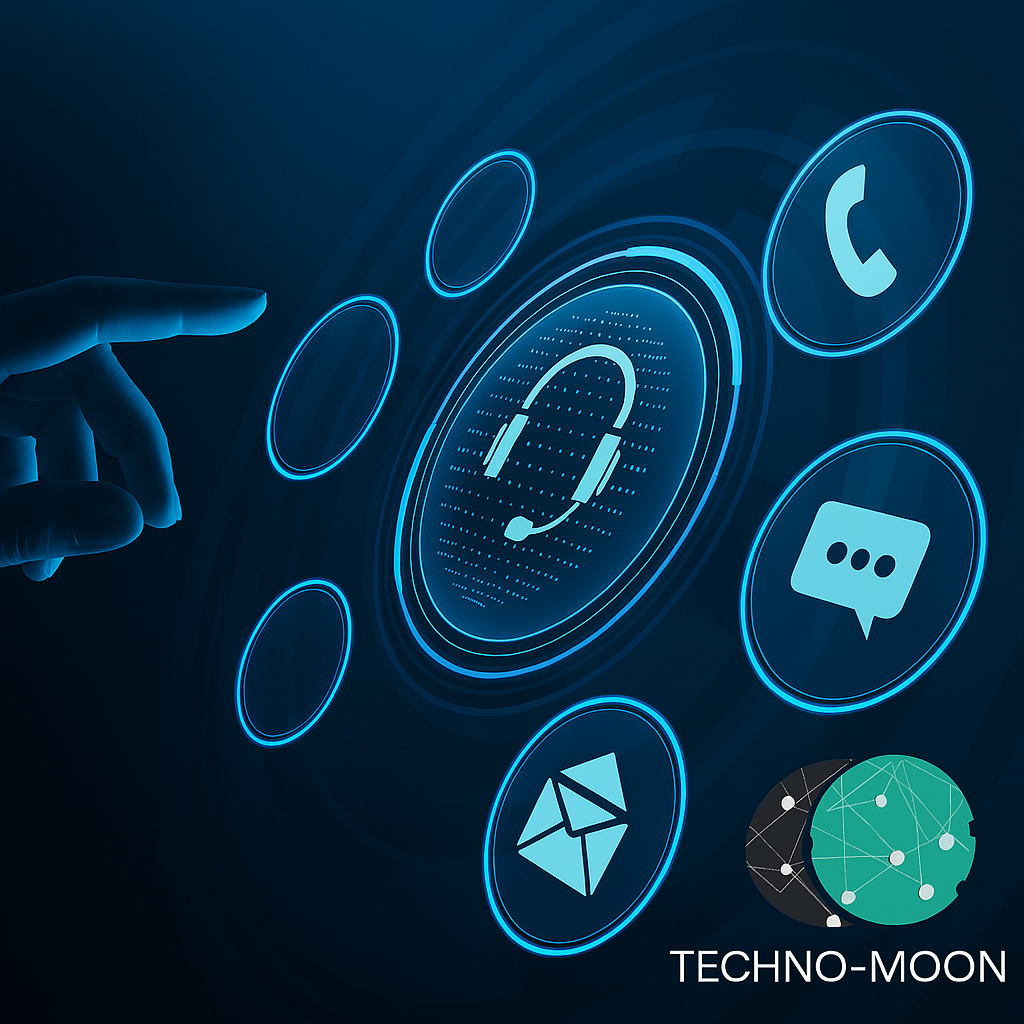
External technical support—also called help‑desk or service‑desk outsourcing—means hiring a specialized provider to handle user incidents and requests for both hardware and software. Support is delivered through remote channels (phone, chat, web portal) and on‑site visits when required. This model frees the company from maintaining a costly, hard‑to‑scale internal team, because the supplier works with economies of scale and can offer 24/7 coverage without night‑shift payroll burdens. Service typically spans three tiers: first‑line agents who log and solve common issues, second‑line technicians for deeper diagnostics and patch management, and third‑line specialists who coordinate with vendors or infrastructure experts. Contracts scale easily—by ticket, device, or user—so during peaks such as new system launches or office roll‑outs, capacity grows without extra headcount. By centralizing knowledge management, the provider documents best practices and delivers precise metrics (mean response and resolution times, user satisfaction, failure trends) that help IT leadership make proactive decisions and justify budgets. An external service desk also acts as a single point of contact, applying standards and reducing tool sprawl, which cuts human error and boosts productivity. For corporate IT teams, outsourcing frees time for strategic projects—automation, cybersecurity, cloud adoption—while routine support stays in expert hands. In short, a third‑party support system offers expert assistance, nonstop coverage and effortless scalability without the fixed costs or operational complexity of running an in‑house team.